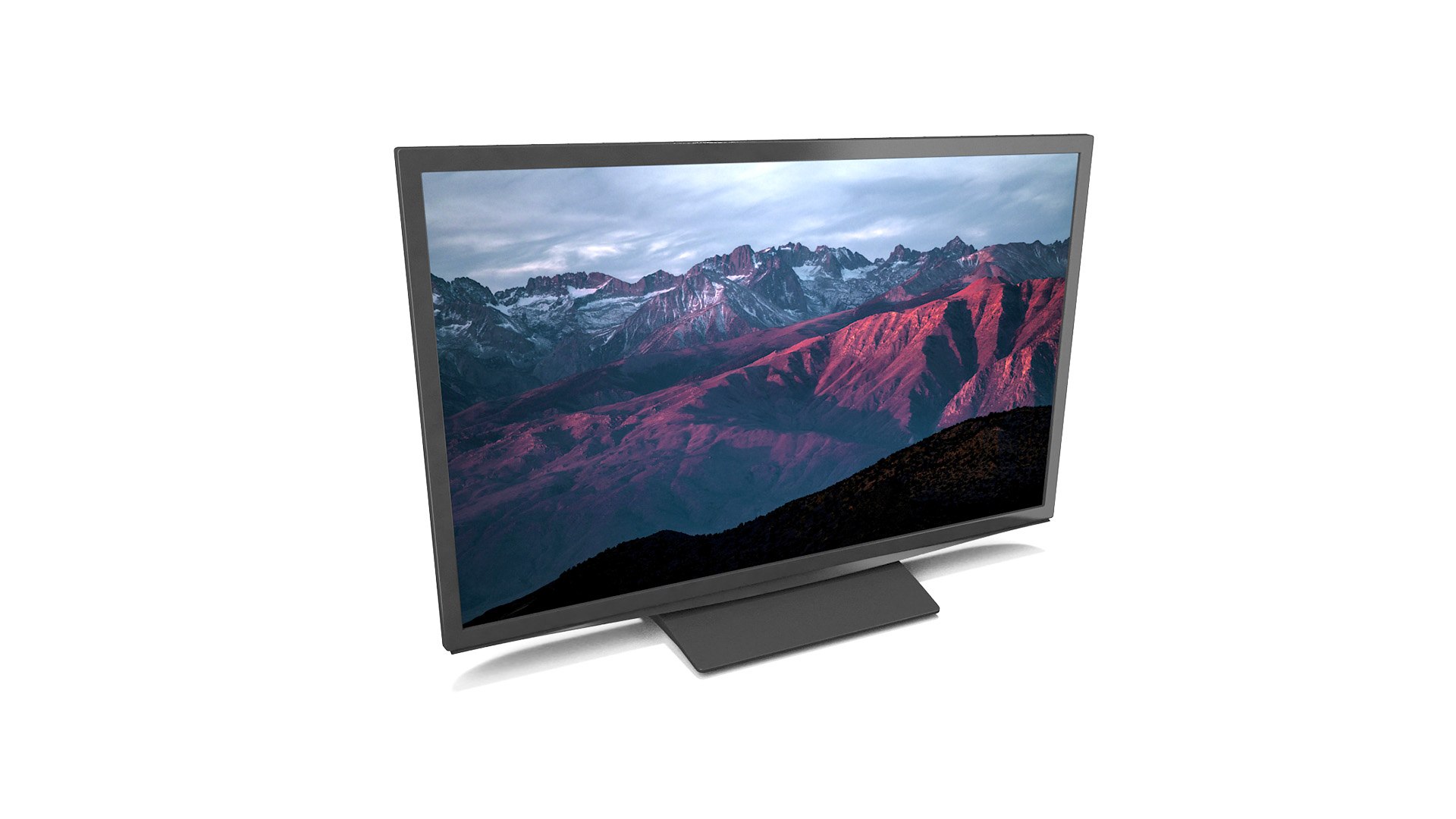
LED TV (Light Emitting Diode)
An LED TV (Light Emitting Diode) is a type of flat-panel television that uses LED backlighting to illuminate an LCD (Liquid Crystal Display) screen. Known for its slim design and energy efficiency, LED TVs offer improved brightness.
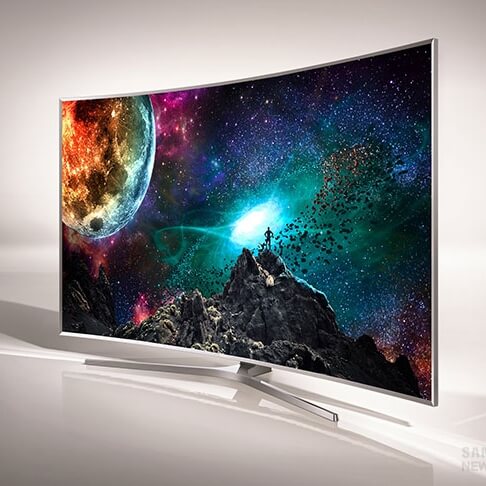
OLED TV (Organic Light Emitting Diode)
An OLED TV (Organic Light Emitting Diode) is a premium display technology that features self-emissive pixels, meaning each pixel produces its own light without the need for a backlight.
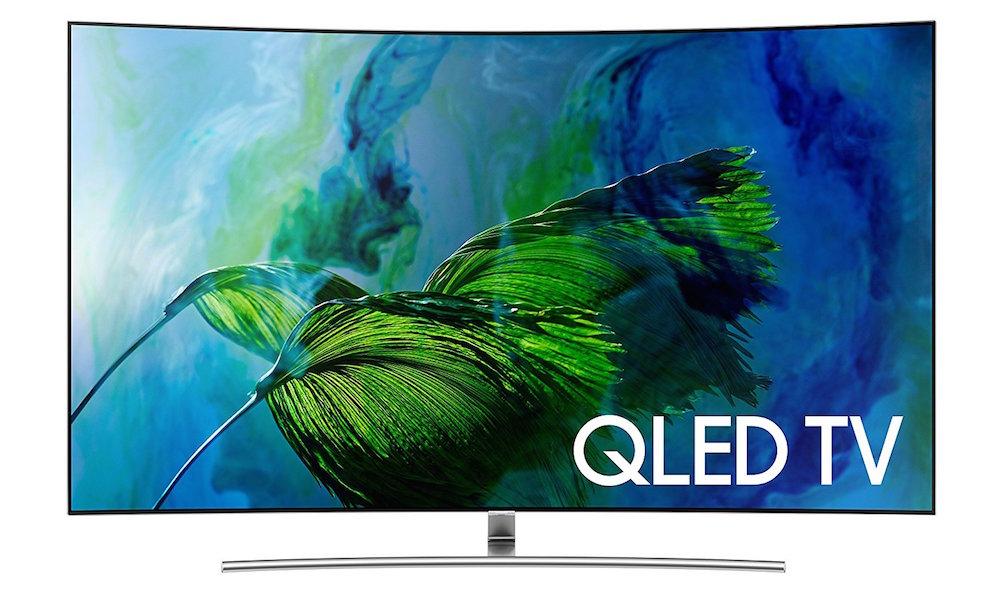
QLED TV (Quantum Dot LED)
A QLED TV (Quantum Dot Light Emitting Diode) is an advanced LED TV technology developed primarily by Samsung, which enhances picture quality using quantum dots—nano-sized semiconductor particles that emit precise colors when exposed to light.
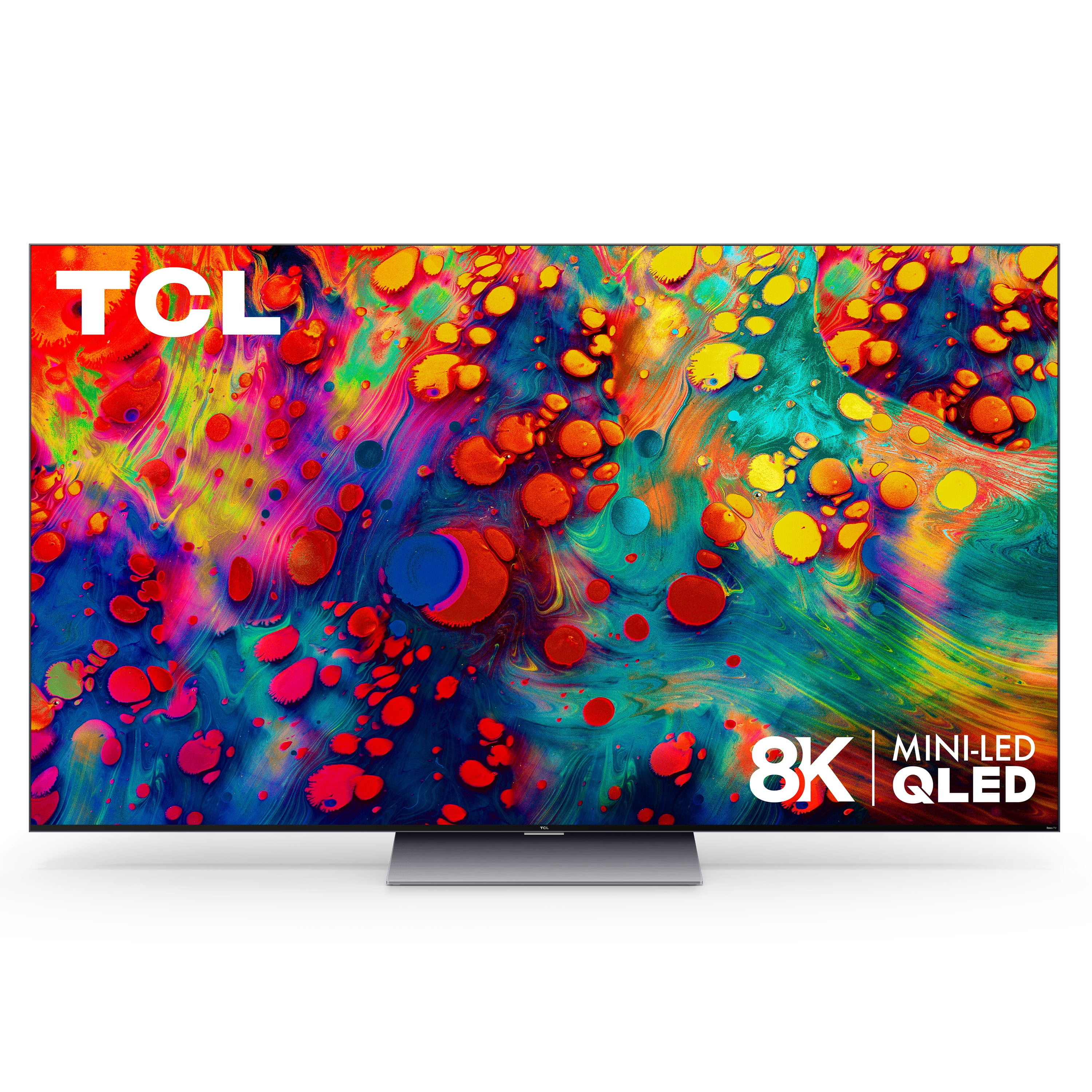
Mini-LED TV
A Mini-LED TV is an advanced form of LED television that uses thousands of tiny backlight LEDs, significantly smaller than those in traditional LED TVs. This dense array of mini-LEDs allows for more precise local dimming.
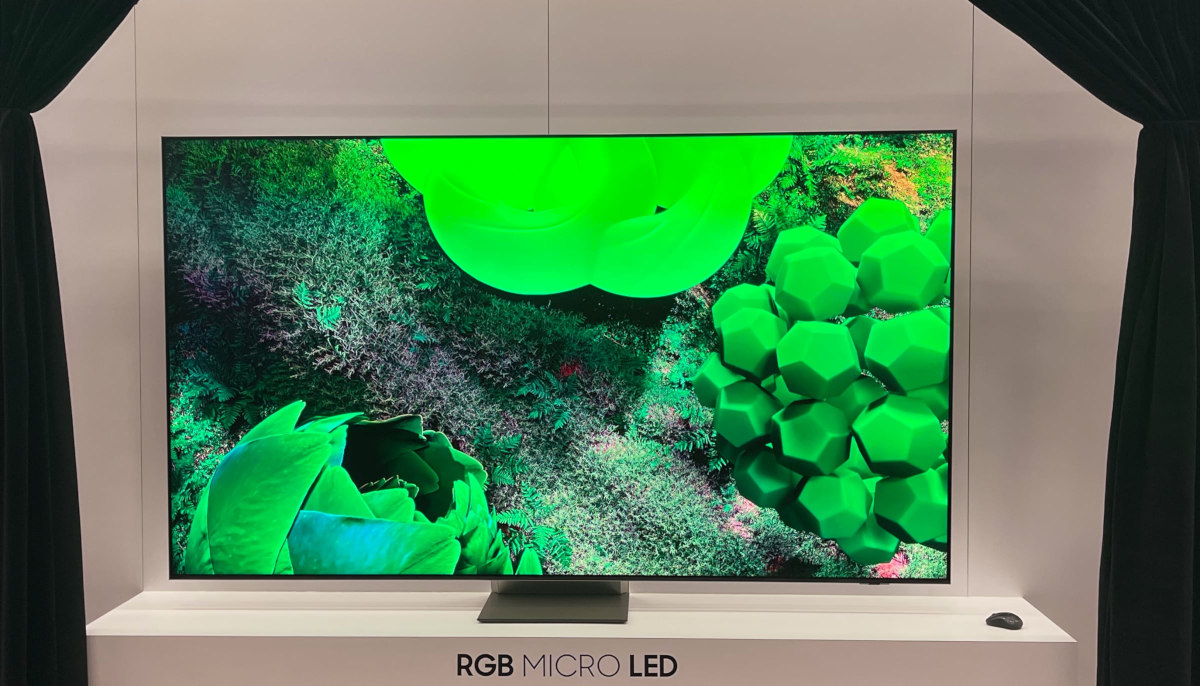
MicroLED TV
A MicroLED TV is a cutting-edge display technology that uses microscopic, self-emissive LEDs to produce images—each pixel is made up of tiny red, green, and blue LEDs that emit their own light. Unlike LCDs or even OLEDs.
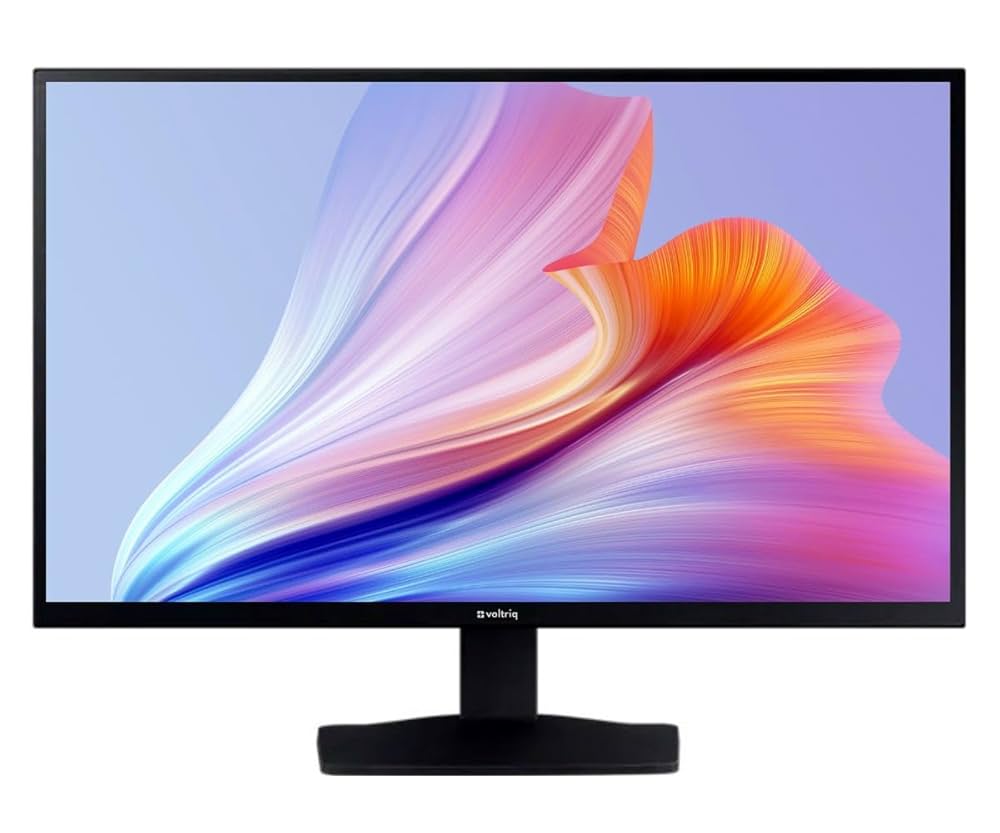
LCD TV (Liquid Crystal Display)
An LCD TV (Liquid Crystal Display) is a flat-panel television that uses liquid crystals and a backlight to produce images. The display consists of two layers of glass with liquid crystals sandwiched between them.